
Concrete flooring is commonly used in warehouses, factories, manufacturing plants, parking areas, logistics centers, workshops, and commercial buildings. These floors endure heavy traffic from forklifts, vehicles, machinery, pallet trucks, and other equipment, making protection of concrete floor joints essential for durability.
When planning a flooring project, buyers often seek the Armour Joint Price Per Meter to estimate material costs. However, final pricing depends on factors such as joint profile, dimensions, material, finish, order quantity, project specifications, and delivery needs.
TRP Machines & Tools offers Armour Joint solutions with customized quotations based on customer requirements, along with technical consultation and support for construction products and systems.
What Is an Armour Joint?
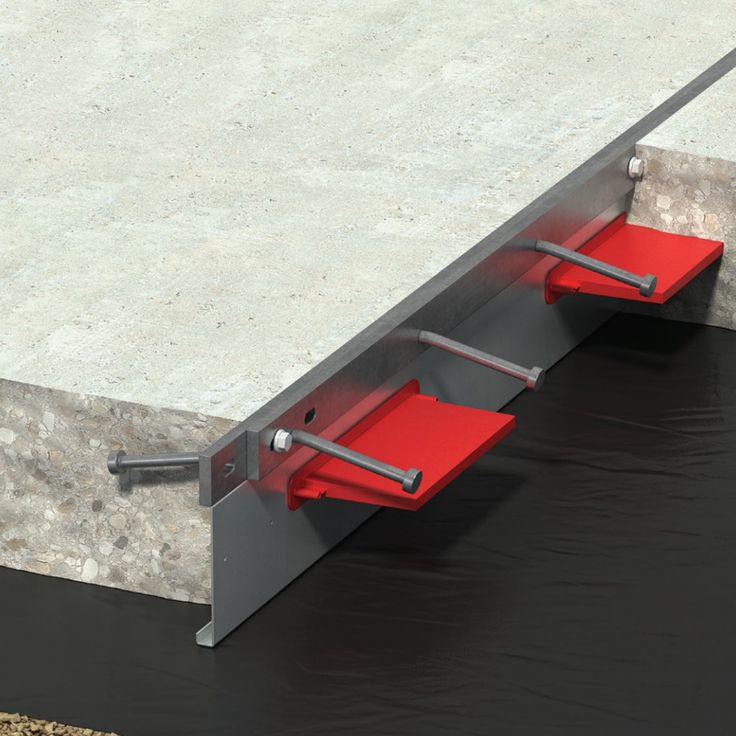
An Armour Joint is a protective profile installed at concrete floor joints to safeguard vulnerable edges from mechanical impact while defining the joint between adjacent concrete slabs. Industrial floors often endure repeated loading from forklift wheels and heavy equipment, which can stress joint edges. Without adequate protection, these edges may chip, crack, or deteriorate. Selecting the right floor joint profile provides essential protection and contributes to a durable flooring system.
Understanding Armour Joint Price Per Meter
The Armour Joint Price Per Meter varies depending on the specific project requirements. Manufacturers and suppliers base quotations on factors such as specifications and order quantity.
Key pricing factors include:
- Profile dimensions
- Material specification
- Surface finish
- Joint design
- Required length
- Order quantity
- Customization needs
- Packaging
- Transportation
- Delivery location
- Project-specific requirements
To receive an accurate quotation, customers should provide comprehensive project details.
Factors That Affect Armour Joint Cost
Profile Size
Different floor designs require varying armour joint dimensions. Larger or specially designed profiles use more material, impacting the overall cost.
Material
The choice of material or coating can significantly influence the price, depending on the application needs.
Quantity
Order volume affects pricing; bulk orders often receive different commercial terms compared to smaller quantities.
Custom Specifications
Unique project requirements for dimensions, configurations, finishes, or manufacturing can increase production complexity and cost.
Transportation
Delivery costs vary based on order size, destination, packaging, and transport arrangements. TRP Machines & Tools supports Pan-India and international delivery tailored to product type, quantity, destination, packaging, and project needs.
Benefits of Using an Armour Joint
- Concrete Edge Protection: Shields concrete edges from repeated mechanical impact, ideal for high-traffic industrial areas.
- Improved Joint Durability: Maintains floor joint integrity under constant vehicle and equipment movement.
- Defined Joint Formation: Creates clear, consistent joints between concrete slabs for an organized flooring layout.
- Suitable for Heavy Traffic: Protects vulnerable floor areas in warehouses, factories, logistics centers, and workshops.
- Professional Floor Finish: Ensures a clean and consistent appearance when properly installed.
Armour Joint Applications
- Warehouses: Frequent forklift and pallet truck traffic requires joint protection to reduce damage to concrete edges.
- Manufacturing Plants: Heavy machinery and material handling demand durable floor joints for long-term performance.
- Logistics Centres: High traffic and equipment movement necessitate robust joint protection to maintain floor integrity.
- Parking Areas: Repeated vehicle loads and turning movements in parking structures call for joint protection to safeguard concrete edges.
- Workshops: Industrial and automotive workshops with heavy equipment and vehicles benefit from floor joints that enhance durability.
How to Calculate the Required Quantity
Before comparing the Armour Joint Price Per Meter, buyers should calculate the total length needed for their project. For example, if the project requires 500 meters of joint profile, this estimate is based on the total joint length indicated in the approved flooring layout. Buyers should also account for additional material needed due to cutting, installation waste, site conditions, and any project-specific factors. The final quantity should be verified against construction drawings and the detailed joint layout to ensure accuracy.
How to Get the Right Armour Joint Price Per Meter
To receive an accurate quotation, customers should provide detailed project information, including:
- Required profile dimensions
- Total quantity in meters
- Concrete slab thickness
- Application type
- Expected traffic levels
- Material specifications
- Finish or coating requirements
- Delivery location
- Required delivery schedule
Sharing these details helps suppliers understand the application and offer a relevant quotation.
TRP Machines & Tools uses an enquiry and consultation process where customers submit their requirements, and then specifications and pricing are finalized before production begins.
Why Choose TRP Machines & Tools?
TRP Machines & Tools offers a wide range of construction machinery, reinforcement products, accessories, and concrete joint systems, including Armour Joint and Sinus Armour Joint. The company provides expert technical consultation to assist with product selection and application. Their process covers enquiry and consultation, engineering and design, manufacturing, quality checks, dispatch, and ongoing support.
For buyers comparing Armour Joint Price Per Meter, obtaining a project-specific quotation from TRP Machines & Tools is valuable, as final costs depend on product specifications, quantity, and delivery requirements—making generic market prices less reliable.
Conclusion
The price of Armour Joint per meter varies based on factors such as profile dimensions, material, finish, quantity, customization, transportation, and project specifics. There is no universal price applicable to all flooring projects.
For heavy-duty concrete floors in warehouses, factories, logistics centers, and parking facilities, choosing the right armour joint is essential to protect concrete edges and ensure long-lasting floor performance.
Project planners should provide detailed requirements—including dimensions, total running meters, application, and delivery location—to suppliers for precise quotations. TRP Machines & Tools offers Armour Joint solutions with expert technical consultation and quotation support tailored to construction needs.