

Industrial flooring must endure demanding operating conditions daily. Facilities such as factories, warehouses, manufacturing units, logistics centers, workshops, and distribution centers frequently face heavy vehicle movement, forklift traffic, machinery loads, impact, and abrasion. As a result, concrete floors require careful planning and protection to preserve their strength and extend their service life.
A key element in creating a durable industrial floor is the Armour Joint for Industrial Flooring. This joint protection system safeguards vulnerable concrete edges and establishes a strong, clearly defined joint between adjacent floor slabs. When chosen and installed correctly, it enhances the performance of industrial concrete flooring in areas subject to frequent traffic and heavy loads.
What Is an Armour Joint For Industrial Flooring?
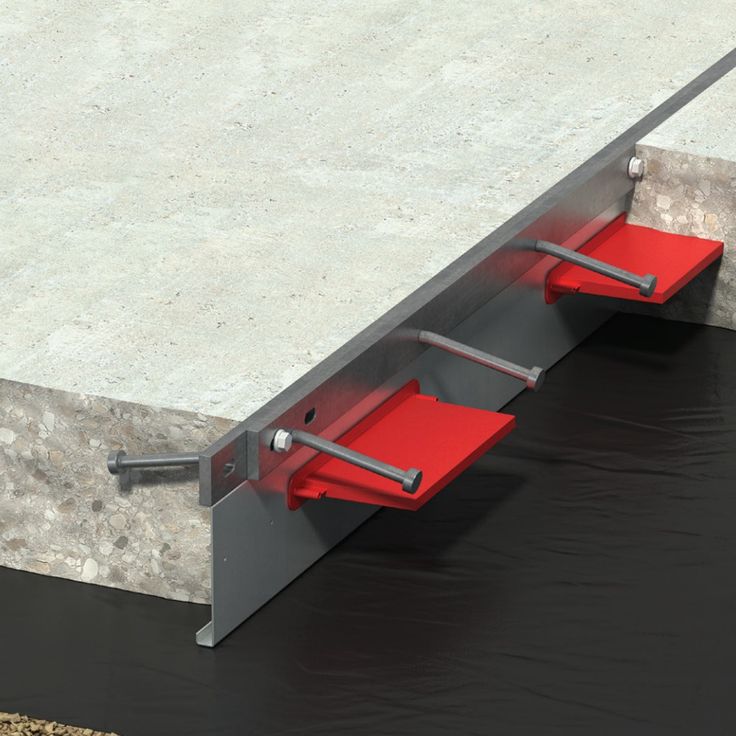
An Armour Joint For Industrial Flooring is a heavy-duty joint protection system designed specifically for concrete floors that endure harsh operating conditions. It usually features strong metal profiles installed along the edges of concrete joints.
Industrial floors include joints to allow for concrete movement, construction needs, shrinkage, and other factors. However, the exposed edges of these joints are prone to damage from forklift wheels, pallet trucks, heavy vehicles, and machinery. The armour joint reinforces these vulnerable edges, minimizing the risk of chipping, cracking, and mechanical damage. Additionally, it provides a clean, uniform finish along the joint line, enhancing both durability and appearance.
Why Are Armour Joints Important for Industrial Floors?
Industrial floors face far more demanding conditions than typical floors, with heavy equipment crossing the same joints thousands of times over a facility's lifespan. Without proper edge protection, repeated wheel impacts can cause concrete edges to deteriorate. Damaged joint edges can disrupt vehicle movement, compromise floor safety, increase maintenance needs, and reduce overall floor performance.
An Armour Joint For Industrial Flooring offers essential protection in these high-stress zones. It reinforces the edges, allowing them to withstand repeated impacts and helps preserve the concrete's integrity around the joint.
Key Benefits of Armour Joint For Industrial Flooring
Protects Concrete Edges
Armour joints safeguard concrete edges from chipping and impact, especially in areas where forklifts and heavy equipment frequently cross.
Supports Heavy Traffic
Designed for continuous material-handling operations, heavy-duty floor joints provide extra protection in zones with high traffic.
Improves Floor Durability
By protecting vulnerable joint edges, armour joints help reduce premature wear and extend the flooring system's lifespan.
Provides a Defined Joint
Armour profiles create a clean, clearly defined joint line, enhancing finishing quality and ensuring organized floor construction.
Reduces Maintenance Requirements
With protected joint edges, facility owners can lower the frequency of repairs caused by impact and mechanical wear.
Applications of Armour Joint For Industrial Flooring
An Armour Joint For Industrial Flooring is suitable for a wide range of facilities where concrete floors endure heavy loads and frequent traffic.
Common applications include:
- Manufacturing plants
- Warehouses
- Distribution centers
- Logistics facilities
- Automobile factories
- Engineering workshops
- Industrial storage facilities
- Parking structures
- Loading and unloading areas
- Production units
- Cold storage facilities
- Heavy equipment zones
- Commercial industrial buildings
Choosing the right joint system depends on factors such as floor thickness, traffic intensity, joint dimensions, load requirements, and environmental conditions.
Armour Joint for Warehouse Flooring
Warehouses experience constant movement from forklifts, pallet trucks, trolleys, and material-handling equipment, which frequently cross floor joints while transporting goods.
Repeated wheel impact can damage conventional concrete joint edges. Installing an Armour Joint For Industrial Flooring helps protect these vulnerable areas and ensures a smoother transition between floor slabs.
For large warehouses and distribution centers, joint protection should be incorporated during the floor design phase. Selecting the right profile supports long-term floor durability and performance.
Armour Joint and Floor Expansion Joint
While related, an armour joint and a floor expansion joint serve different purposes:
- A floor expansion or movement joint provides a controlled location for concrete movement between sections.
- An armour joint protects the edges of that joint from impact, abrasion, and mechanical damage.
In many industrial flooring setups, these systems work together: the movement joint manages concrete expansion and contraction, while the armour joint shields exposed edges.
This combination is especially valuable in high-traffic, heavy-load industrial facilities to enhance floor longevity and safety.
How to Select the Right Armour Joint
Choosing the appropriate Armour Joint For Industrial Flooring involves considering several key factors:
- Floor Thickness
- The joint profile must match the concrete slab thickness to ensure proper positioning and integration.
- Traffic Load
- Assess the type and weight of vehicles, such as forklifts, heavy trucks, cranes, and industrial equipment, to determine the required strength of the joint protection.
- Traffic Frequency
- Floors with continuous traffic need more robust joint solutions compared to areas with occasional vehicle movement.
- Joint Width
- The width of the joint influences the choice of profile and movement system.
- Environmental Conditions
- Consider exposure to moisture, chemicals, temperature changes, dust, and other factors that may affect material performance.
- Installation Requirements
- Proper alignment, secure fixing, and adherence to manufacturer guidelines are critical for effective installation.
Installation of Armour Joint For Industrial Flooring
Correct installation is vital for optimal armour joint performance:
- Pre-Concrete Placement
- Position the joint profile at the specified location and elevation, ensuring it is firmly supported to prevent movement during concrete pouring.
- Concrete Placement
- Pour concrete around the profile and compact it properly.
- Finishing
- Finish the surface to achieve the desired floor level and a smooth transition across the joint.
- Post-Curing Inspection
- Inspect the joint area for alignment, concrete edge condition, and overall finish once curing is complete.
Installation methods may vary based on product design and project specifications. Contractors should always follow the manufacturer's technical instructions.
Maintenance of Industrial Floor Armour Joints
Regular inspections are crucial for maintaining the effectiveness of armour joints in industrial environments. Facility managers should periodically examine joints for:
- Signs of excessive wear
- Concrete damage
- Loose or damaged components
- Any visible defects
High-traffic areas require special attention, as repeated forklift and vehicle movement can gradually impact the surrounding concrete.
Keeping joints clean and free from debris also helps minimize impact damage and ensures smooth operation of material-handling equipment.
Why Choose a Reliable Armour Joint Manufacturer?
- Ensures access to appropriate product specifications tailored to project needs.
- Provides valuable technical support and product guidance for optimal use.
- Helps identify the best joint solutions based on factors like slab thickness, traffic loads, joint width, and environmental conditions.
- Supports diverse industrial and infrastructure construction requirements with specialized products.
Conclusion
An Armour Joint For Industrial Flooring is essential for protecting concrete floor joints against heavy traffic, impact, abrasion, and mechanical stress, thereby enhancing floor durability. Industrial facilities such as factories, warehouses, and workshops benefit significantly from well-designed joint protection systems. When paired with suitable Floor Expansion Joints, armour joints effectively manage concrete movement while safeguarding joint edges from damage.
Selecting the right joint system requires careful consideration of floor thickness, traffic loads, vehicle types, joint dimensions, environmental factors, and installation needs. Proper installation and regular inspections are crucial for ensuring long-term performance.
TRP Machines & Tools provides expert construction solutions for industrial and infrastructure flooring, helping to deliver strong, durable, and reliable flooring systems tailored to demanding industrial environments.